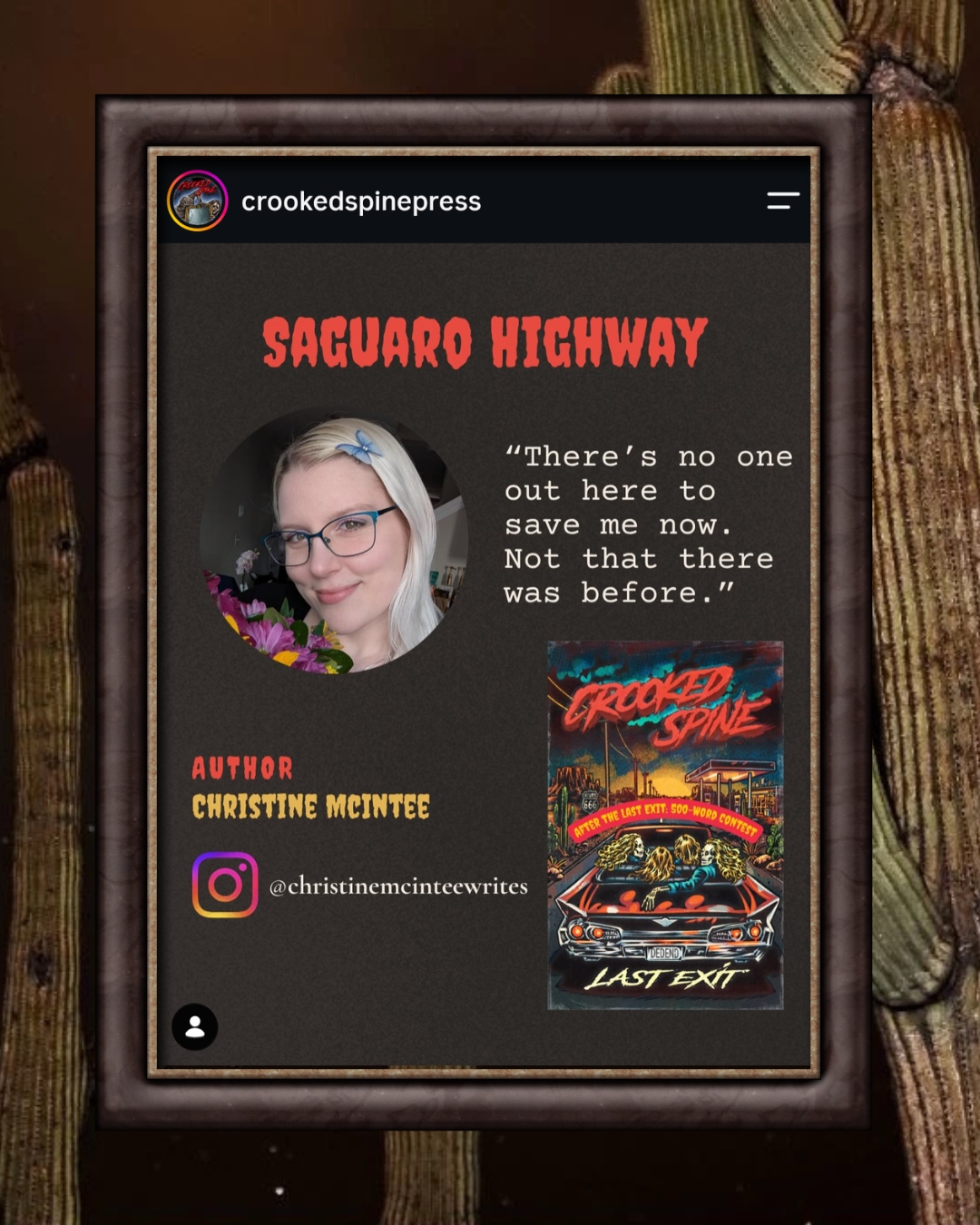
Christine McIntee

Author from Washington state.

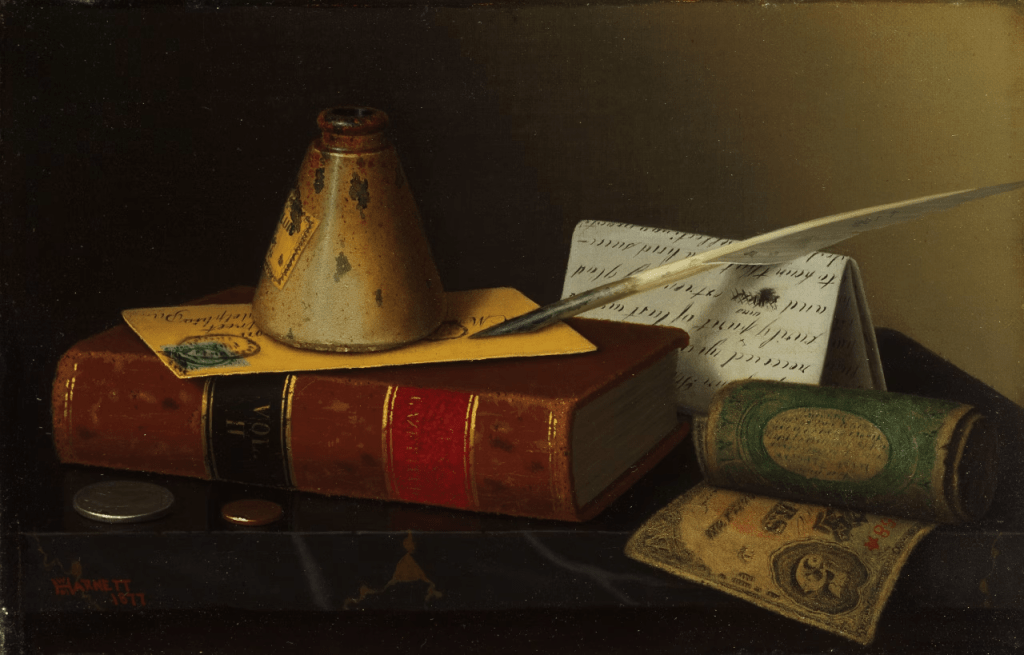
  • ‘Still Life with a Writing Table’ (1877) by William Michael Harnett. Philadelphia Museum of Art/Bridgeman Images

    “If we let ourselves, we shall always be waiting for some distraction or other to end before we can really get down to our work. The only people who achieve much are those who want knowledge so badly that they seek it while the conditions are still unfavourable.” -C.S. Lewis

    After months of tucking flyers away neatly in my bag and marking all the advertised dates on my calendar, I finally convinced myself to show up to a writing group at my local bookstore. Village Books hosts a variety of intriguing writing groups, including poetry, memoir, and speculative fiction. Still, I decided to attend the “Prompts” group as a first timer because its description seemed less intimidating than the others: “Writing includes all forms and genres of writing. Let your imagination go wild.”

    Before I arrived, the hour-and-a-half scheduled duration seemed very long; after I arrived, it seemed very short. I read my writing out loud for the first time, and I listened to others’ stories. I learned that listening to stories spoken aloud is an art form in itself, a skill that requires practice. I’m used to having the words on the page in front of me, always there to reread and digest at my own leisure. I found it challenging to visualize the meaning of the words, as I was visualizing them floating in the air when spoken, disembodied from the rest of the words that would reveal the narrative.

    The difficulty I experienced fascinated me. Why didn’t I have any trouble actively listening and understanding when we were conversing with each other? But as soon as someone brought their eyes down to their paper to read, it was like entering another world, like falling asleep at the beginning of a movie, only to wake up in the middle with no way to rewind and no subtitles to help either. Perhaps that was the challenge: our stories really were their own worlds. I jumped around to different planets as each of us read, getting jet lag and culture shock.

    This experience led me to think of how Socrates compared dialogue to text in Plato’s Phaedrus:

    SOCRATES: I cannot help feeling, Phaedrus, that writing is unfortunately like painting; for the creations of the painter have the attitude of life, and yet if you ask them a question they preserve a solemn silence. And the same may be said of speeches. You would imagine that they had intelligence, but if you want to know anything and put a question to one of them, the speaker always gives one unvarying answer. And when they have been once written down they are tumbled about anywhere among those who may or may not understand them, and know not to whom they should reply, to whom not: and, if they are maltreated or abused, they have no parent to protect them; and they cannot protect or defend themselves.
    PHAEDRUS: That again is most true.
    SOCRATES: Is there not another kind of word or speech far better than this, and having far greater power—a son of the same family, but lawfully begotten?
    PHAEDRUS: Whom do you mean, and what is his origin?
    SOCRATES: I mean an intelligent word graven in the soul of the learner, which can defend itself, and knows when to speak and when to be silent.
    PHAEDRUS: You mean the living word of knowledge which has a soul, and of which the written word is properly no more than an image?
    SOCRATES: Yes, of course that is what I mean.

    There is much more to explore regarding the relationship between orature and literature, as well as memorization and libraries. But I will conclude with an unedited sample of what I wrote during the group. The prompt was to turn around and glance one last time.

    The city was sinking and she was the only one who knew its fate. The only one who knew that all that was left to do was walk away. She wanted to look back, to capture one last image of the city that raised her, to have just one more memory. Even if that image would be poison, seeping into her consciousness for the rest of her life, haunting happier times. Why did she want to look at what she knew she needed to leave behind? Its power over her was something she had fought so hard to break…

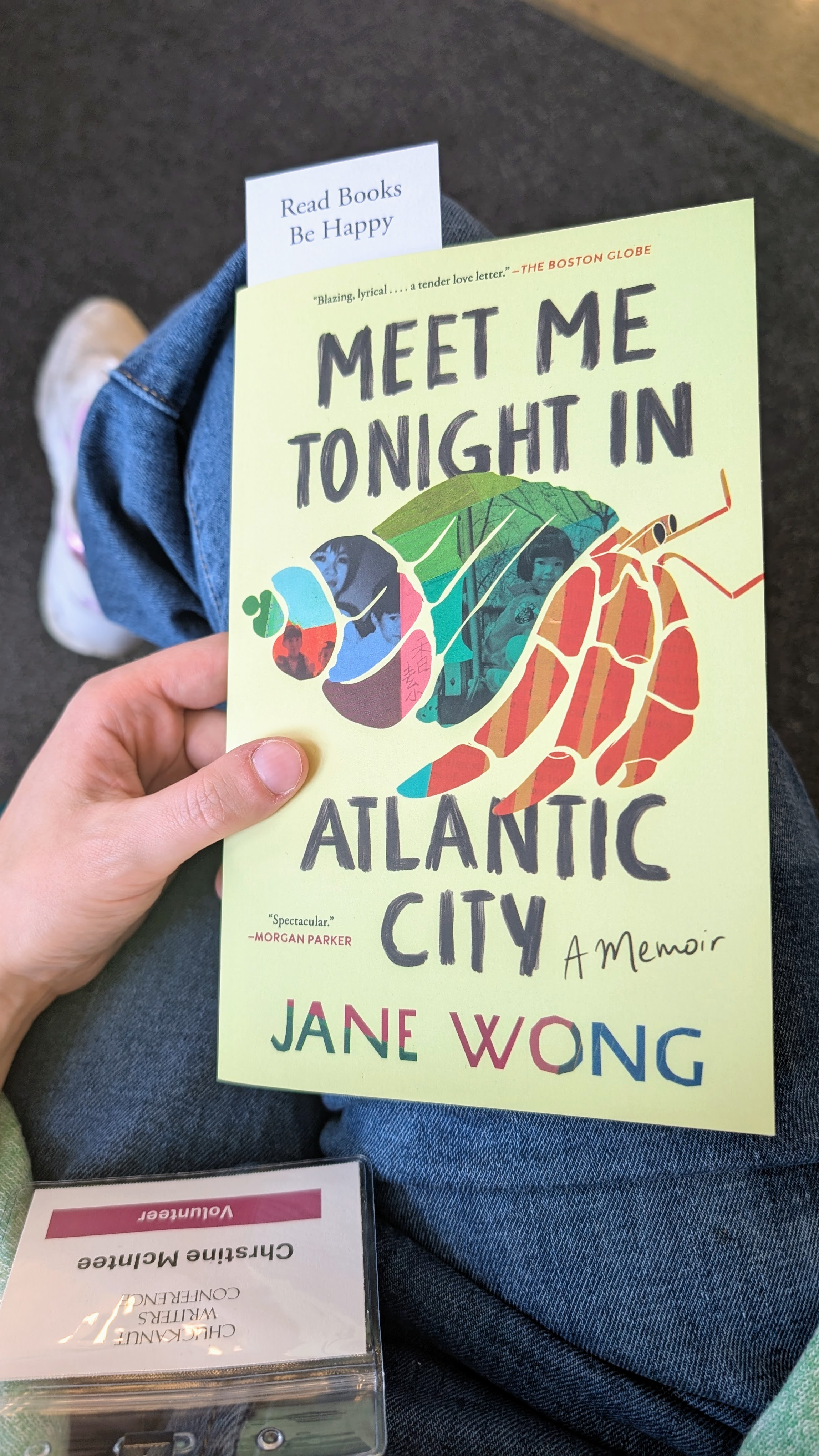
  • “Language is powerful, as we know… How something is said makes us feel something, makes us act in both beautiful and terrible ways. Knowing all the damage language can do, we must ‘jostle language into new possibilities.’” -Jane Wong, Meet Me Tonight in Atlantic City (pg. 250)

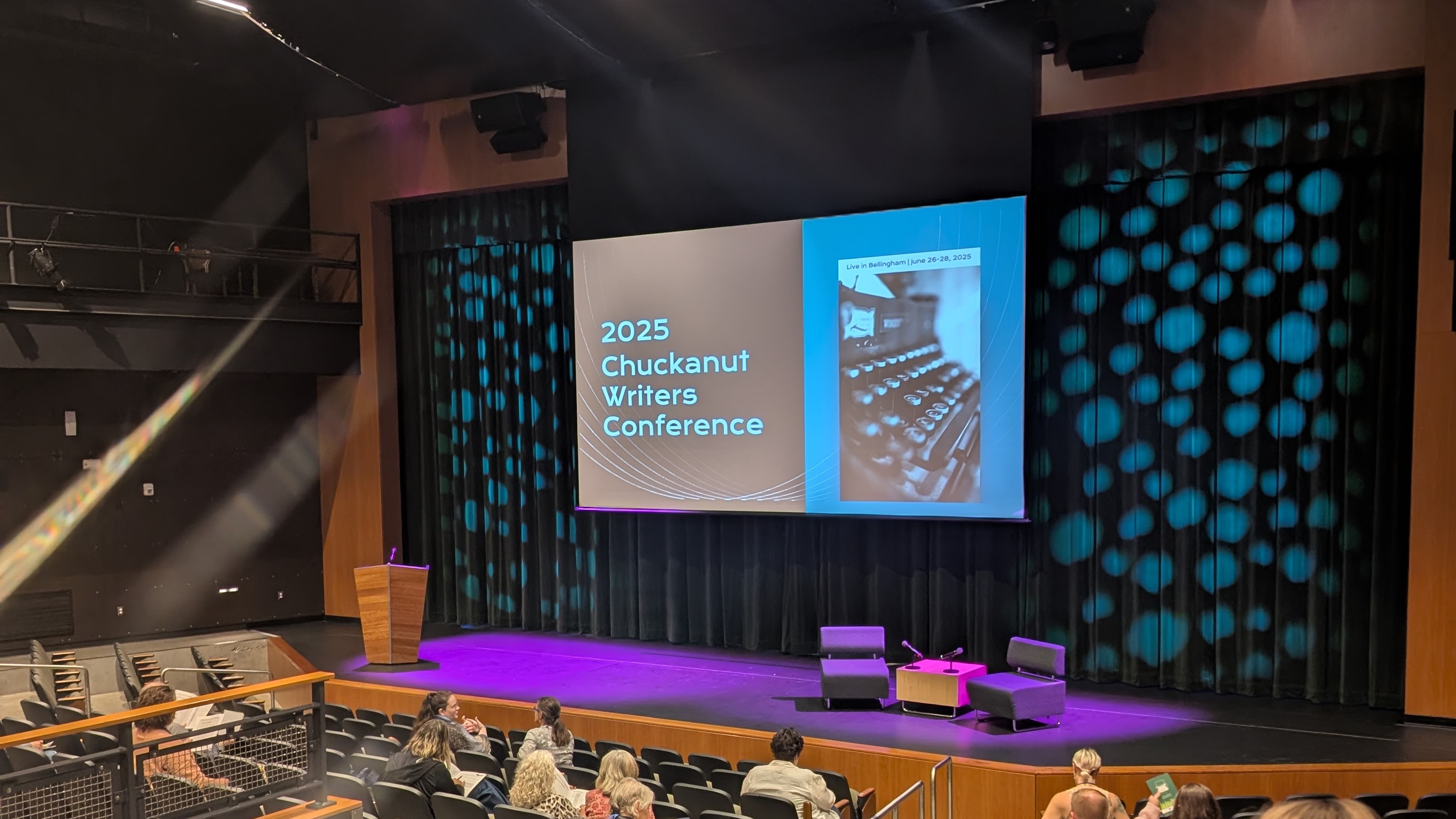
    For weeks, I grappled with the decision of whether to attend the conference. The cost of the two-day ticket was in the hundreds of dollars (rightfully so), but I wasn’t ready to call myself a writer. I didn’t have a manuscript, nor was I prepared to pitch to an agent, and I didn’t know anyone who would be there. Then, a few weeks before the date, I received an email advertising a volunteer opportunity, which meant I’d get to go for free. I applied immediately and was scheduled to help on both days.

    The first day was a constant whirlwind of being awestruck:

    1. I was surrounded by writers, storytellers, and people who loved books!
    2. I met real-life authors with published books and Amazon author pages and websites with official-sounding URLs like <theirname>.com
    3. I had the chance to speak with numerous creators about their projects, their creative processes, and how they achieved their goals.

    I attended Writing Through the Archive, presented by Jane Wong. According to the conference’s guidebook, “This session weaves poetry and memoir together, writing through archival materials via sensory memory and personal reflection.” I look at what I wrote during the session, rapid scribbles on the back of a handout whose poem on the front became warped somewhere along the way as it got scanned, copied, and printed. I don’t remember what the prompt was.

    If I was in my right mind I would have told you that you were horrible. If you were in your right mind you would have never lied. But what is the right mind? The right mind is what should I think should have happened. If we were more mature. If we were more experienced. Then what should have happened would have happened. You would be supportive. I would be forgiving. You would understand how an apology works.

    When the session ended, I made my way to the Village Books table and purchased Jane Wong’s memoir and her second book of poetry. I began reading the memoir—the first memoir I’ve ever read—on the second day of the conference, while sitting in the Sehome High School cafeteria, watching over the coffee urn like a concerned parent, and grabbing (just one more!) cookie whenever my stomach grumbled.

    This reading experience made me feel like the gears in my head had started turning in reverse order for the first time. Before yesterday, I didn’t know this person existed, and now I’m diving into the depths of their memories, thoughts, emotions, history—their life story. I wanted to talk to them, to ask questions, to know more, like in a parasocial relationship, except they chose to share what they did with their life with me, the reader. To put it plainly, I learned that memoirs are a powerful and valuable form of storytelling.

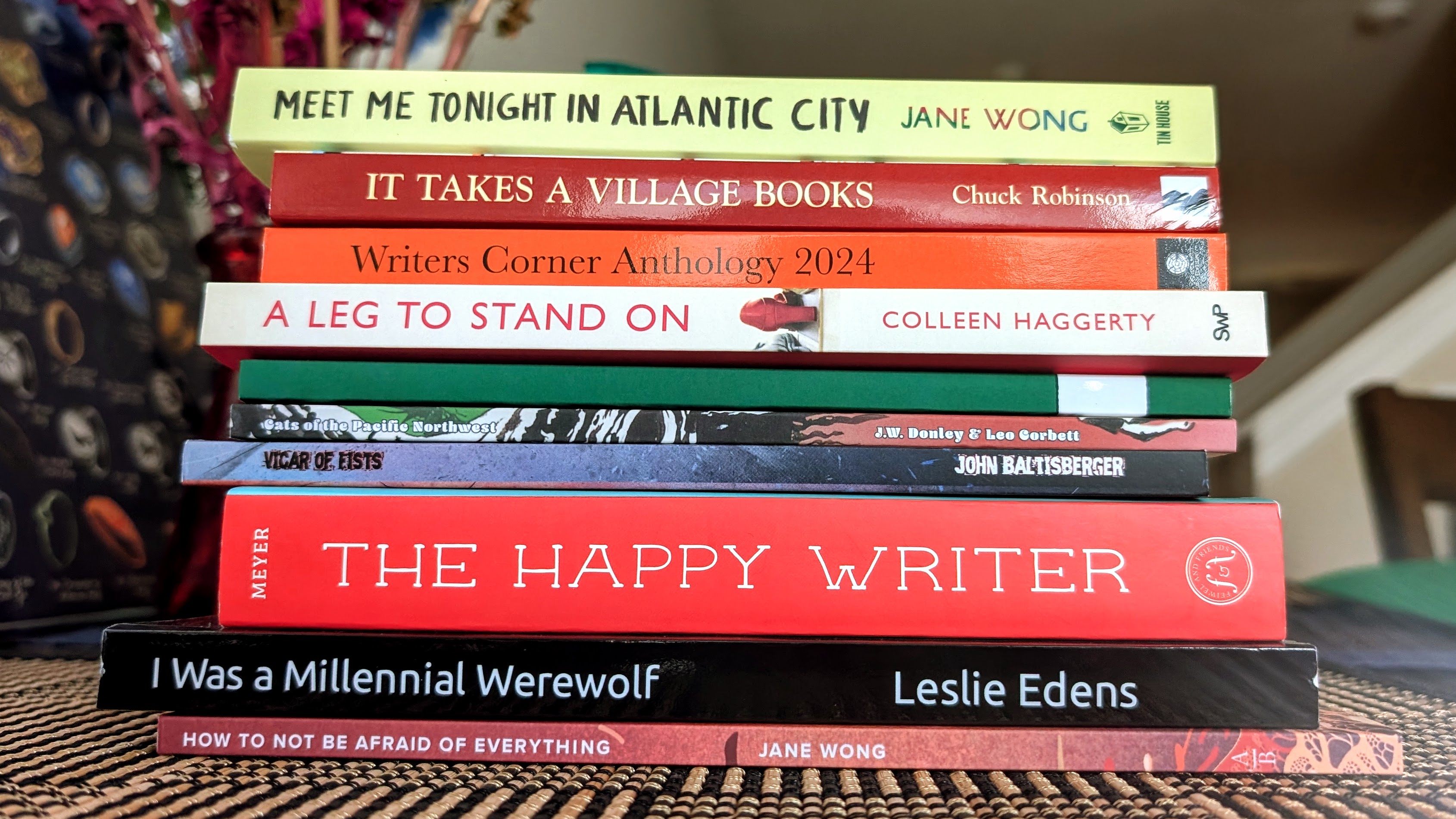
    The rest of my book haul includes:

    • A Leg to Stand On: An Amputee’s Walk into Motherhood by Colleen Haggerty, whom I had the pleasure of chatting with for a while as we volunteered together at the check-in table
    • Three books from the Dark Forest Press table (Cats of the Pacific Northwest, Vicar of Fists, I Was a Millennial Werewolf)
    • It Takes a Village Books: 35 Years of Building Community, One Book at a Time by Chuck Robinson
    • The Happy Writer by Marissa Meyer

    I’ve got my reading cut out for me (let’s ignore the 620 other books I have on my to-read list for now). But I love that I’m branching out into new genres, putting faces to names, and experiencing things so novel to me that I’m at a loss for words – at least until I can put pen to paper, or finger to keyboard, contemplate, reflect, absorb, process. What just happened? I just left my first writers’ conference with a big old unwieldy scalding-hot coffee urn’s worth of inspiration.
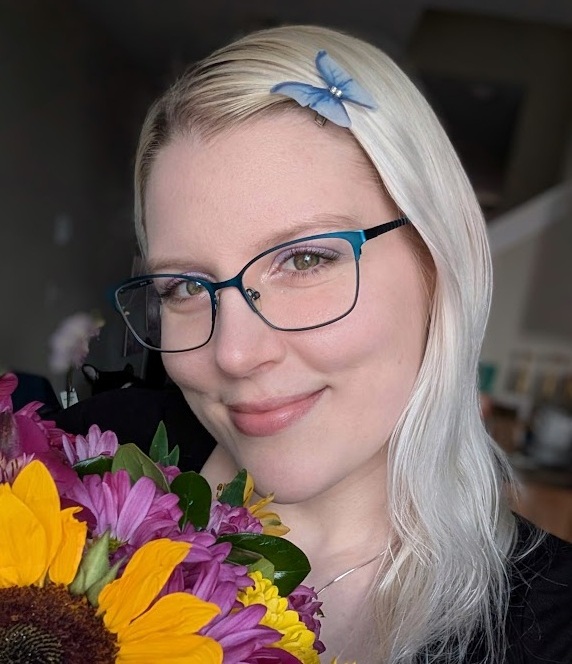
  • I am attending a writer’s conference in a few days with the goal of networking, learning new techniques, and gaining confidence. To prepare for this, I decided to create a professional website for my work. I’ll be attending the conference as a volunteer, hoping to participate in as many activities as possible when time allows. I’m nervous, excited, and still deciding what to wear.

    My interest in meeting other writers sparked when I began working on a novel last fall. Writing has always been a significant part of my life, with a drawer full of notebooks I’ve filled over the years. However, the idea of sharing or publishing my work seemed like a naive fantasy, one that was born in my childhood. I chose a more ‘practical’ and ‘realistic’ path, earning a degree in cybersecurity. It was only last year that I realized an important truth – childhood dreams can come true.

    The novel I’m working on was inspired by my time on campus. The protagonist is Temperance Gully, a computer science professor who feels trapped by the path she has chosen. Not only does she have the weight of the world on her shoulders and inner demons to battle, but another kind of demon appears. And people start dying. Temperance thought the only thing on the line was her happiness; now, it’s her students’ lives. This book explores the ways we cope with the horrors of life, death, isolation, and fear.

    While I work on my novel every day, I also want to write more short stories, read more books about the craft of writing, meet more authors, and become more comfortable sharing my writing. So, thank you for reading my writing and joining me on this journey!